Serving the OEM Market and the Manufacturing Industry
Check out our Power Pages about Manufacturing



IQS® is comprised of product/service specific vertical website categories representing American industrial manufacturers. As a North American manufacturing company directory, IQS Directory offers the ability to compare potential vendors with ease by means of our roll-over preview ad system (Patent #7,483,872, Patent #8,051,059, Patent #8,156,096, and Patent #8,214,342) and our patented request for quote tool (Patent #8,538,822) throughout the industrial supply chain.
IQS® continually strives to provide more time efficiencies for today's busy buyers searching for manufacturing companies. We are adding to our product categories and we have just launched many upgrades including a state search feature which also provides results from the surrounding states as well. We have just added a new CAD drawing link. We appreciate any feedback provided on how we can better present manufacturing companies in the industrial supply chain.
Millions of manufacturing professionals rely on IQS.
Informative digital marketing articles, industrial supply chain product and service related news, tradeshow and manufacturing company's association lists. IQSDirectory frequently asked questions.
We provide a complete internet marketing experience, including search engine optimization (SEO), social media management (SMM), PPC Management, and web design services to industrial manufacturers.
Keep up to date on industry news and information through our Google+, Twitter, Linkedin, Facebook accounts and Youtube Channel.
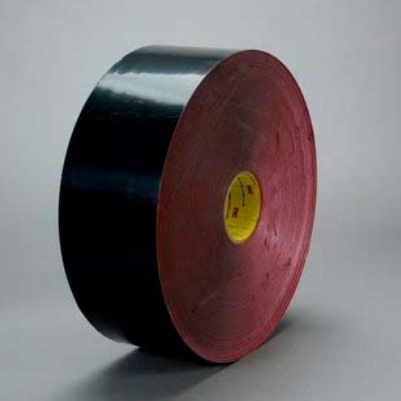 Adhesives, Ceramics & Glass
 Air Handling Equipment
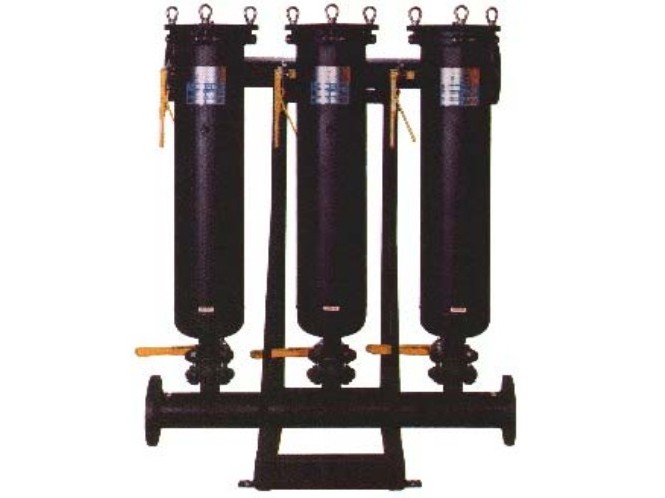 Air, Liquid Filters and Filtering Systems
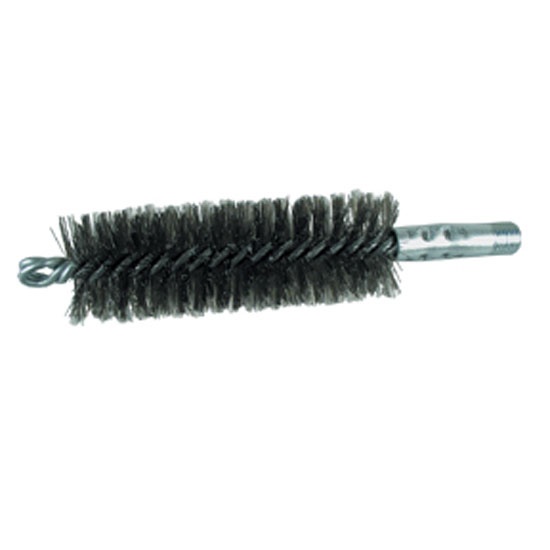 Brushes, Brooms & Sweepers
 Bulk Material Handling
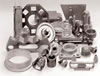 Castings & Forgings
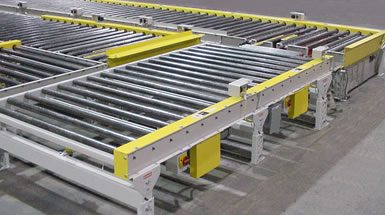 Conveying Equipment
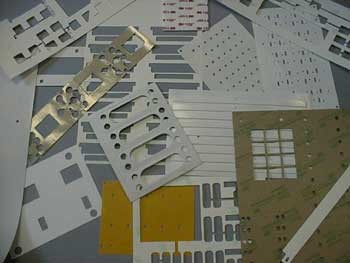 Die Cutting Services
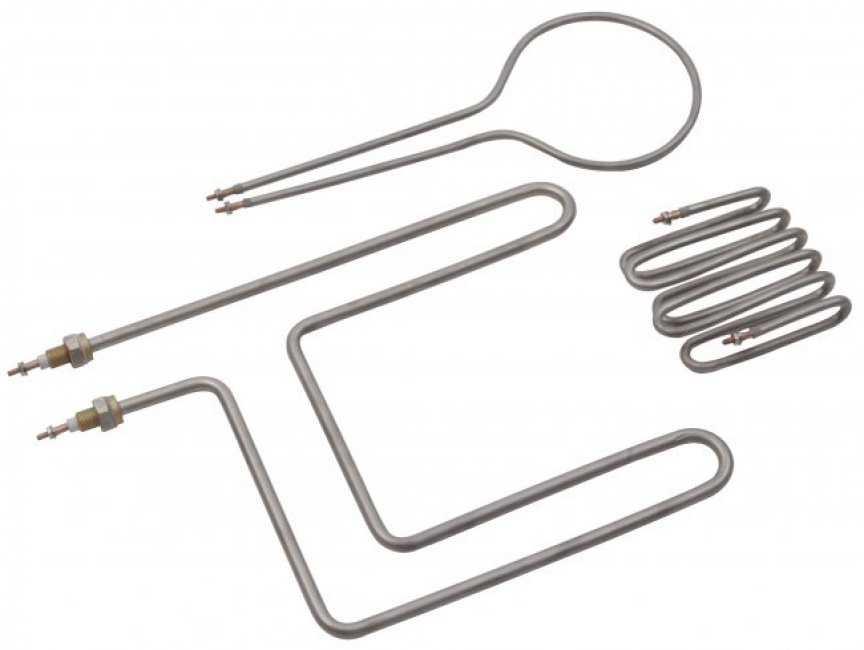 Electric Heaters
 Electrical & Electronic Components
 Flow Instrumentation
 Hardware
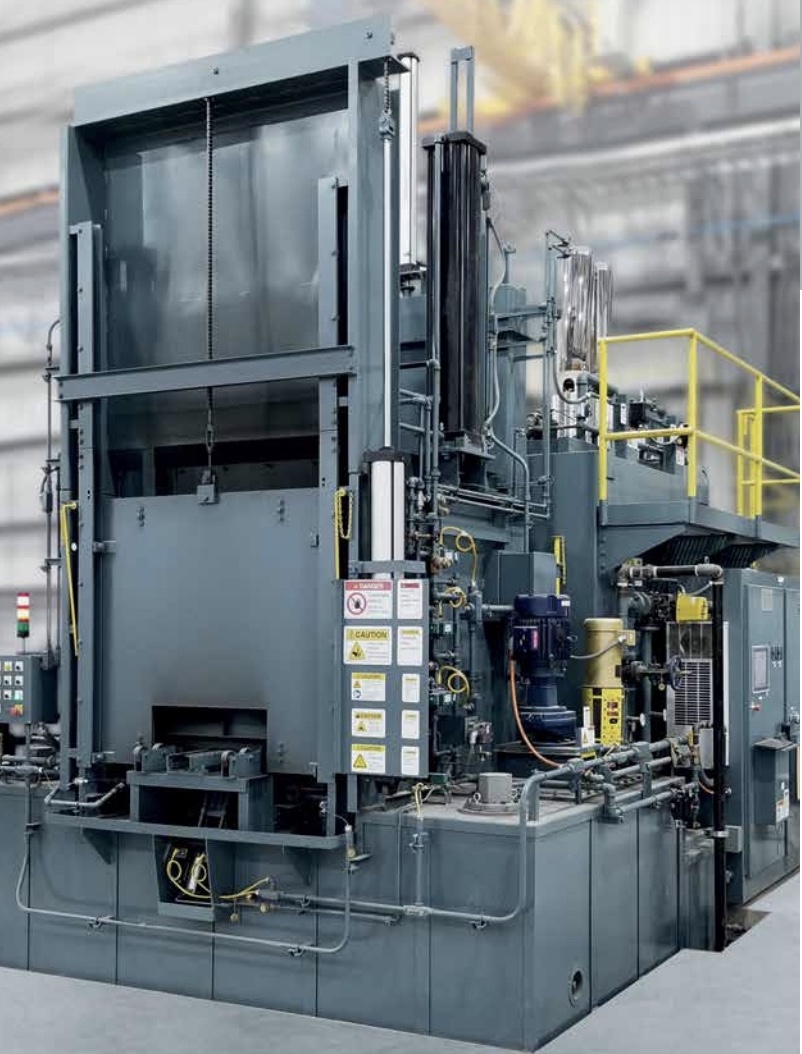 Heat Transfer Equipment
 Hydraulic Equipment & Supplies
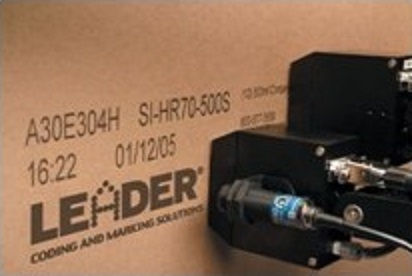 Identification Products
 Industrial Materials
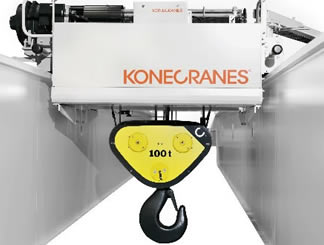 Lifting Products
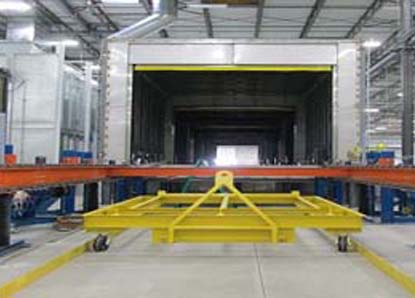 Manufacturing Machinery
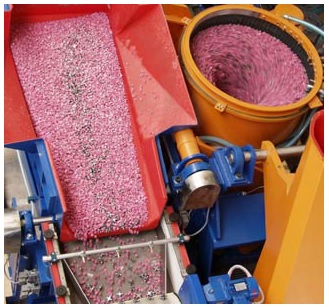 Mass Finishing Equipment
 Material Handling Equipment
 Metal Cutting Services
 Metal Forming Services
 Metal Processes
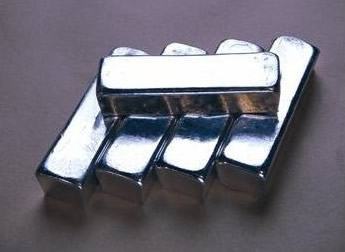 Metal Suppliers
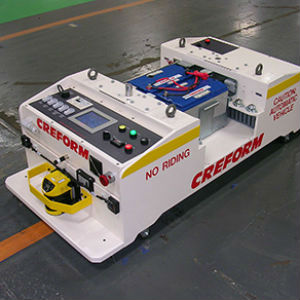 Mobility Products
 Motion Control Products
 Packaging Equipment & Supplies
 Plant & Facility Equipment
 Plant & Facility Supplies
 Plastic Molding Processes
 Pressure Sensors & Pressure Controls
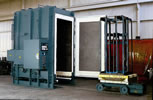 Process Equipment
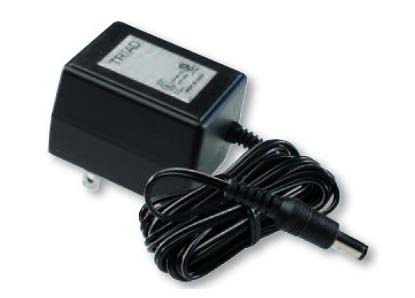 Power Products
 Power Transmission Equipment
 Pumps & Valves
 Recycling Equipment
 Rubber Products & Services
 Safety Equipment
 Storage Products
 Test and Measurement Equipment